 Translate

Lift Kit Questions? Start Here.
Leveling kit or full lift? What tire size will fit? Do you need upper control arms? What happens to ride quality, towing, alignment and warranty coverage? This guide answers the questions truck and SUV owners should ask before choosing a suspension system.
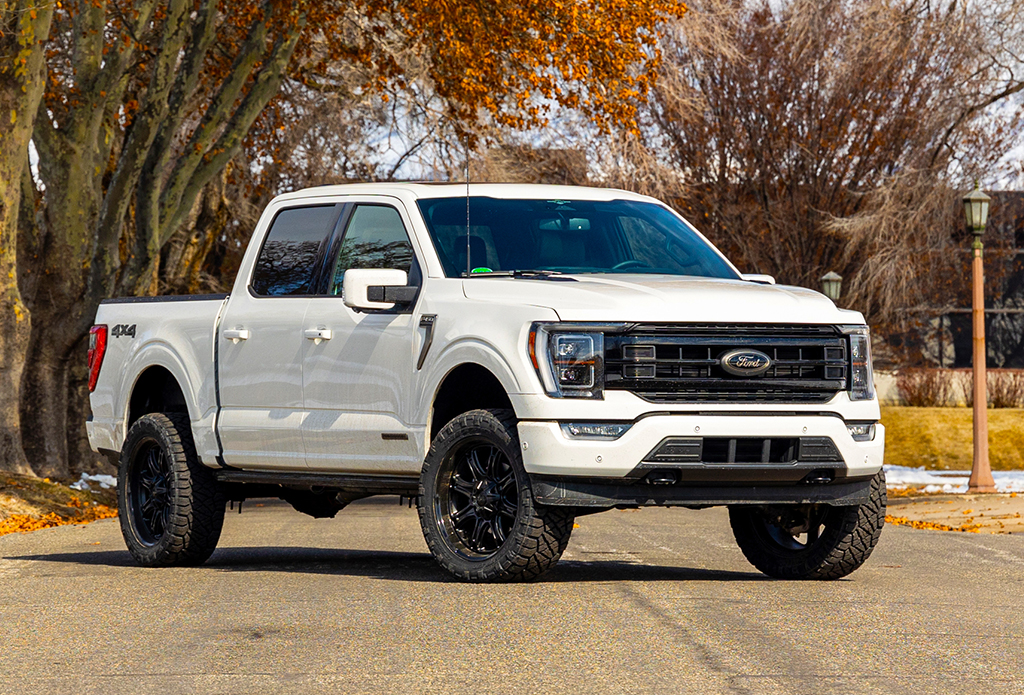
The Best Lift Is the One That Fits Your Truck and Your Goals
Lift height is only one part of the decision. Tire size, wheel offset, driving style and the way you use the vehicle all matter when choosing the right suspension system.
What Look Do You Want?
Level the factory rake, add a noticeable mid-height lift, or build a full big-lift stance.
What Tires Are You Running?
Tire diameter, wheel width and offset work together. Always verify the application-specific fitment recommendation.
How Do You Drive?
Daily driving, towing, hauling and off-road use can point you toward different suspension and shock packages.
What Is Your Build Budget?
Plan for the complete build—not just the kit—including tires, wheels, installation, alignment and any supporting components.
Leveling, SST or Big Lift?
ReadyLIFT organizes its suspension systems around three main lift styles. Start with the amount of height and visual change you want, then verify the exact application for your vehicle.
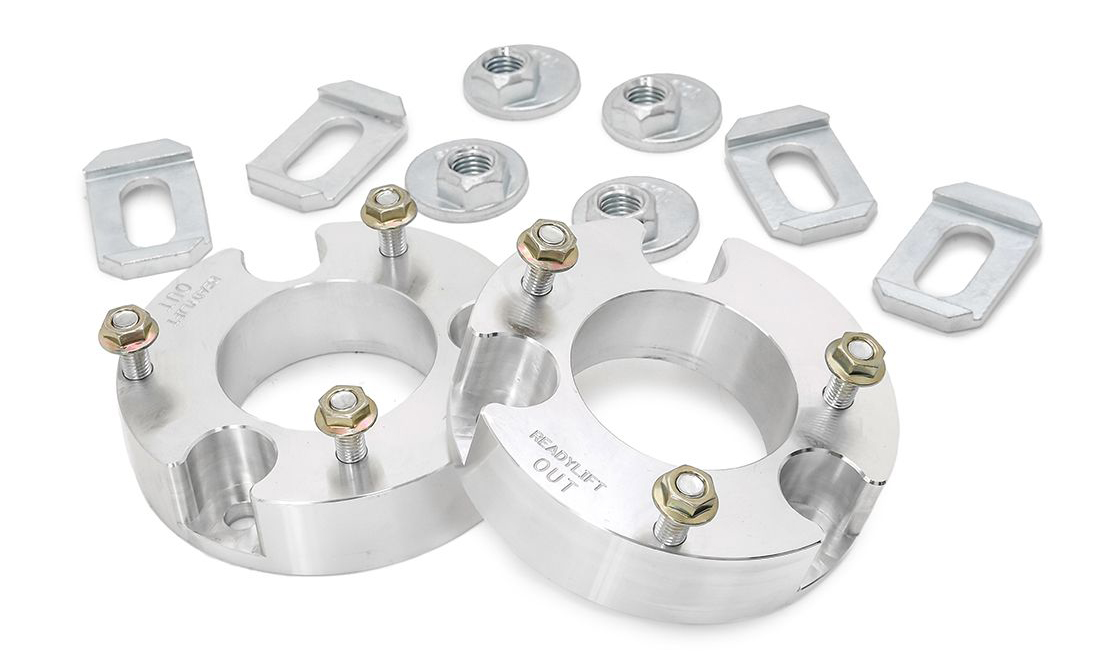
Leveling Kits
Best for drivers who mainly want to reduce factory rake, clean up the stance and create room for a larger wheel-and-tire combination without dramatically changing overall vehicle height.
Shop Leveling Kits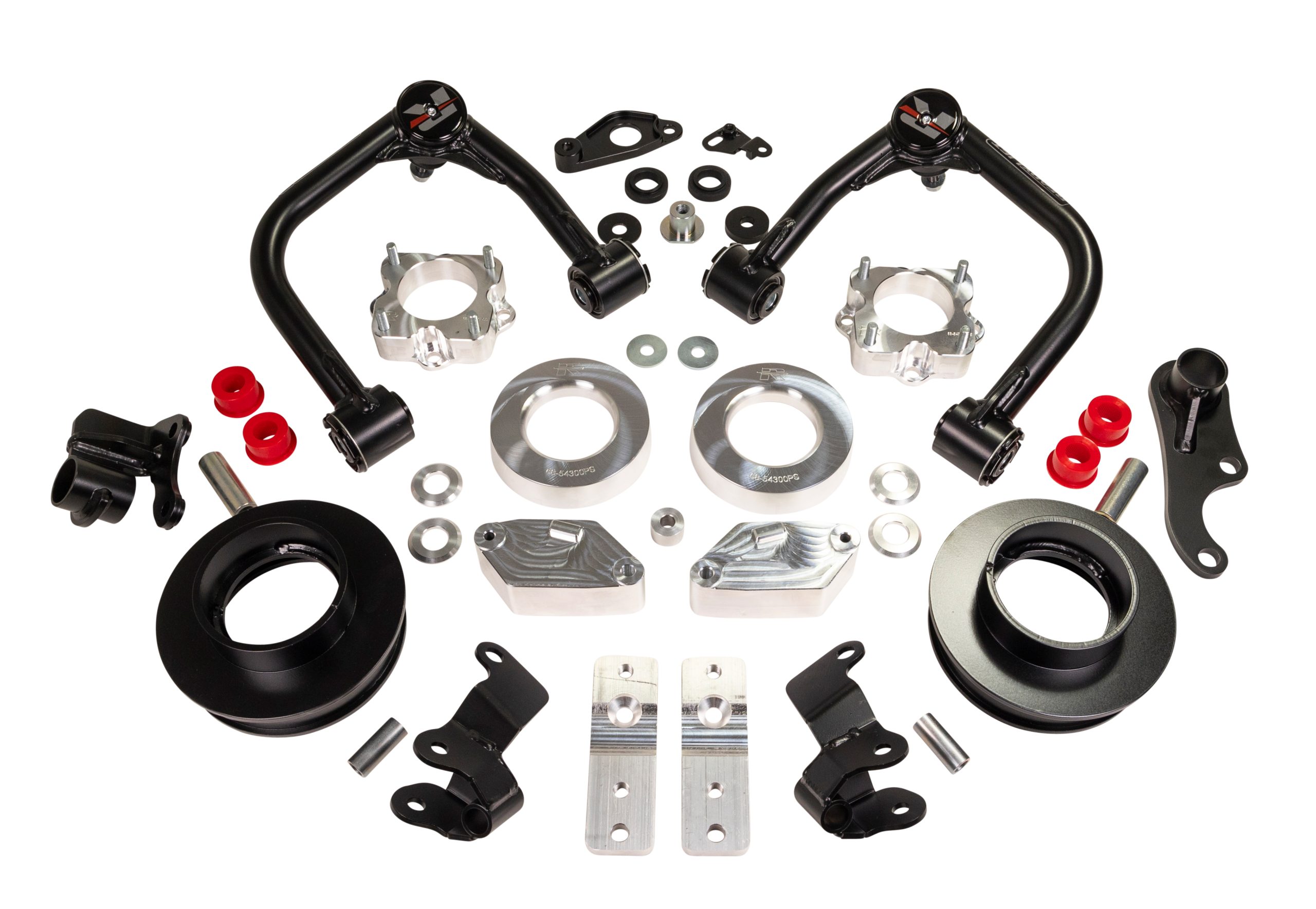
SST Lift Kits
ReadyLIFT’s Smart Suspension Technology systems are the middle ground: more height and tire clearance than a basic level, without automatically stepping into the size and complexity of a full big-lift system.
Shop SST Lift Kits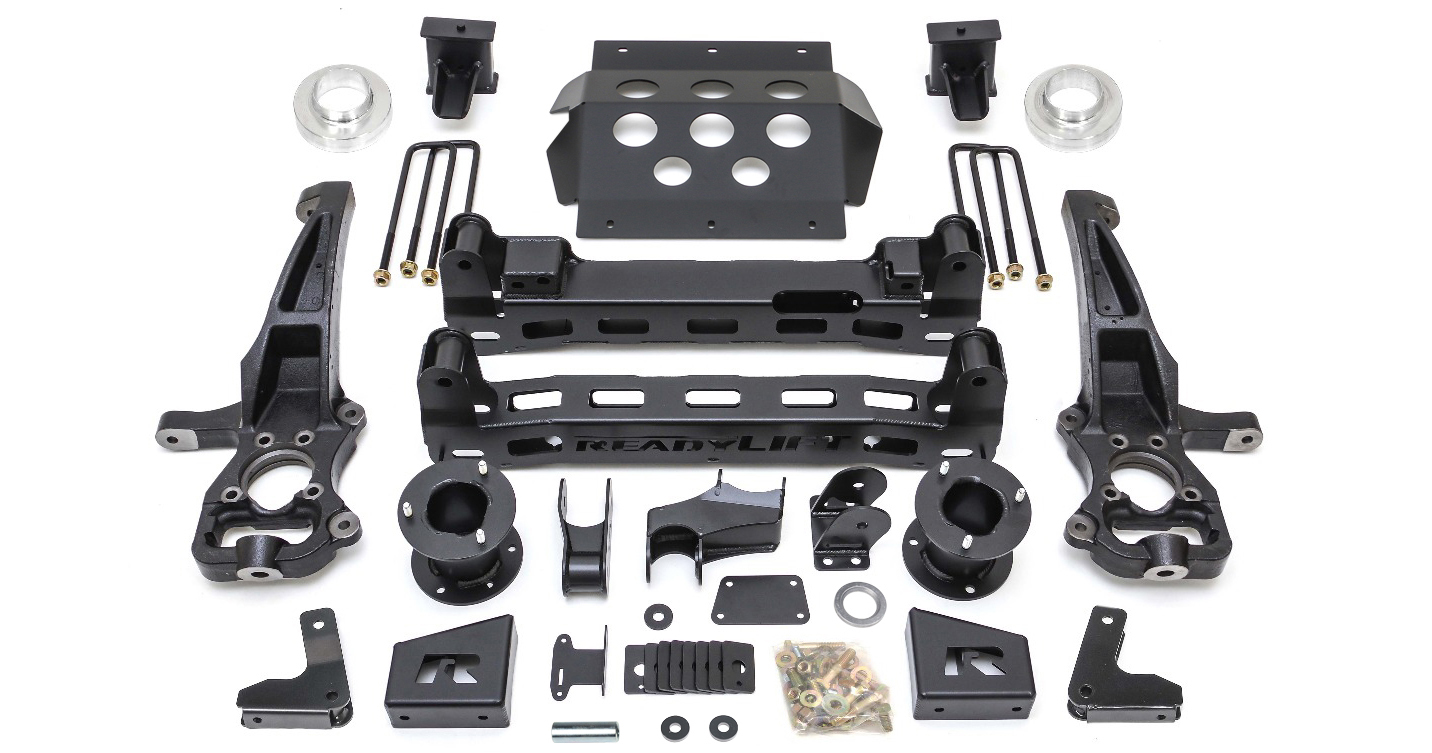
Big Lift Kits
Designed for customers who want major ride-height change, an aggressive stance and clearance for substantially larger wheel-and-tire packages on supported applications.
Shop Big Lift KitsCore Series vs. Performance Series
Lift height tells you how tall you want to go. Series selection helps determine how much suspension and shock performance you want built into the package.
Proven Lift. Smart Value.
A strong choice for everyday trucks and SUVs where stance, clearance, fitment and value are the main priorities.
- Daily-driver focused
- Leveling, SST and Big Lift choices
- Straightforward vehicle-specific solutions
- Great starting point for first-time builds
Premium Suspension. Falcon Equipped.
Built for drivers who want to add lift while also stepping up damping, ride control and suspension performance for harder use.
- Premium Falcon shock options
- Improved control and ride performance
- Strong fit for towing, rough roads and off-road use
- Leveling, SST and MAX configurations
ReadyLIFT Suspension Q&A
These are the questions that matter most when planning a lift, leveling kit or wheel-and-tire upgrade. Always confirm the final specification on the product page for your exact year, make, model and trim.
What is the difference between a leveling kit and a lift kit?
A leveling kit primarily raises the front of a truck or SUV to reduce the factory rake. A suspension lift raises the vehicle farther and may raise both the front and rear, depending on the system. ReadyLIFT SST kits sit between a basic level and a full big lift.
How much lift should I put on my truck?
Start with your goal. If you mainly want a level stance, stay mild. If you want more tire clearance and a visibly lifted truck without going extreme, an SST system is often the middle ground. If maximum height and tire size are the priority, look at a complete big-lift system.
What size tires can I run after installing a ReadyLIFT kit?
Tire fitment is vehicle-specific. Lift height is only part of the equation—wheel width, offset/backspacing, tire width, trim level and available clearance all matter. Use the tire recommendation listed on the exact product page and review the ReadyLIFT Tire/Wheel Sizing Guide before purchasing wheels and tires.
Does wheel offset or backspacing really matter?
Yes. Two trucks with the same tire diameter can have very different clearance depending on wheel width and offset. Too much positive or negative offset can create contact with suspension components, fenders or liners. Follow the vehicle-specific wheel and tire guidance for the kit you are installing.
Will a lift kit change my ride quality?
Any suspension modification can change how the vehicle feels. The amount of change depends on the kit design, lift height, springs, shocks, tires and application. If ride control is a major priority, consider a ReadyLIFT Performance Series system with premium Falcon damping.
Do I need upper control arms with a leveling or lift kit?
Not on every vehicle. Some applications benefit from or require upgraded upper control arms to maintain proper geometry, alignment range or component clearance at the intended lift height. If a ReadyLIFT system includes UCAs, they are there as part of the application-specific suspension solution—do not substitute or omit components without verifying fitment.
Do I need an alignment after installing a lift or leveling kit?
Yes. A professional wheel alignment should be part of the installation process after suspension ride height is changed. Follow the instructions supplied with your exact ReadyLIFT kit and verify steering, suspension, brake-line and tire clearance before regular use.
Does a lift kit increase ground clearance?
It can increase clearance at the body, frame and suspension areas depending on the design. However, the lowest point of a solid axle or differential does not automatically move farther from the ground just because the suspension is lifted. Larger tires are what increase axle/differential ground clearance.
Can I still tow and haul with a lifted truck?
A properly selected suspension system can be used on trucks that tow and haul, but installing a lift does not increase the vehicle manufacturer’s GVWR, payload or tow rating. Stay within the OEM ratings and choose a suspension/shock package appropriate for how the truck is used.
Will installing a lift automatically void my factory warranty?
An aftermarket suspension modification does not automatically cancel the entire vehicle warranty. A warranty claim can be affected if the modification is determined to have caused the failure in question. ReadyLIFT also offers ReadyGuard supplemental powertrain coverage on qualifying products and vehicles, subject to program terms and registration requirements.
Should I install the kit myself or use a professional shop?
That depends on the kit and your experience. Some leveling systems are relatively straightforward; larger suspension systems can require more involved disassembly, torque procedures and alignment work. If you are not fully comfortable with suspension installation, use a qualified professional installer and follow the supplied ReadyLIFT instructions exactly.
Will bigger tires affect fuel economy or the speedometer?
Larger and heavier wheel-and-tire combinations can affect acceleration, fuel economy and braking feel. A significant change in tire diameter can also affect speedometer and odometer accuracy unless the vehicle is recalibrated where supported. Factor the complete wheel-and-tire package into the build—not just lift height.
Lift Height Does Not Tell the Whole Story
One of the most common mistakes in a lifted-truck build is choosing the tire first and checking wheel fitment later. Tire diameter, tire width, wheel width and offset all change where the tire sits through steering and suspension travel.
ReadyLIFT product pages provide application-specific tire and wheel guidance. Use that specification as the starting point rather than assuming every wheel with the same tire diameter will fit the same way.
View Tire/Wheel Sizing GuideBefore Ordering Wheels & Tires
- Tire DiameterHow tall is the tire?
- Tire WidthHow much section width needs to clear suspension and body components?
- Wheel WidthIs the wheel width within the recommended range for the tire and application?
- Offset / BackspacingWhere does the wheel place the tire relative to the suspension and fender?
A Better Build Starts With Four Steps
The easiest way to avoid fitment problems is to make the suspension, wheel and tire decisions together instead of treating them as separate purchases.
Identify the Exact Vehicle
Confirm year, make, model, drivetrain, trim and any factory suspension package before selecting a kit.
Choose the Stance
Decide whether the goal is leveling, a balanced SST mid lift or a full big-lift build.
Verify Tire & Wheel Specs
Match tire diameter, width and wheel offset to the specific ReadyLIFT fitment recommendation.
Plan the Installation
Review the instructions, installation requirements, alignment needs and any supporting components before the truck goes apart.
Don’t Skip the Final Checks
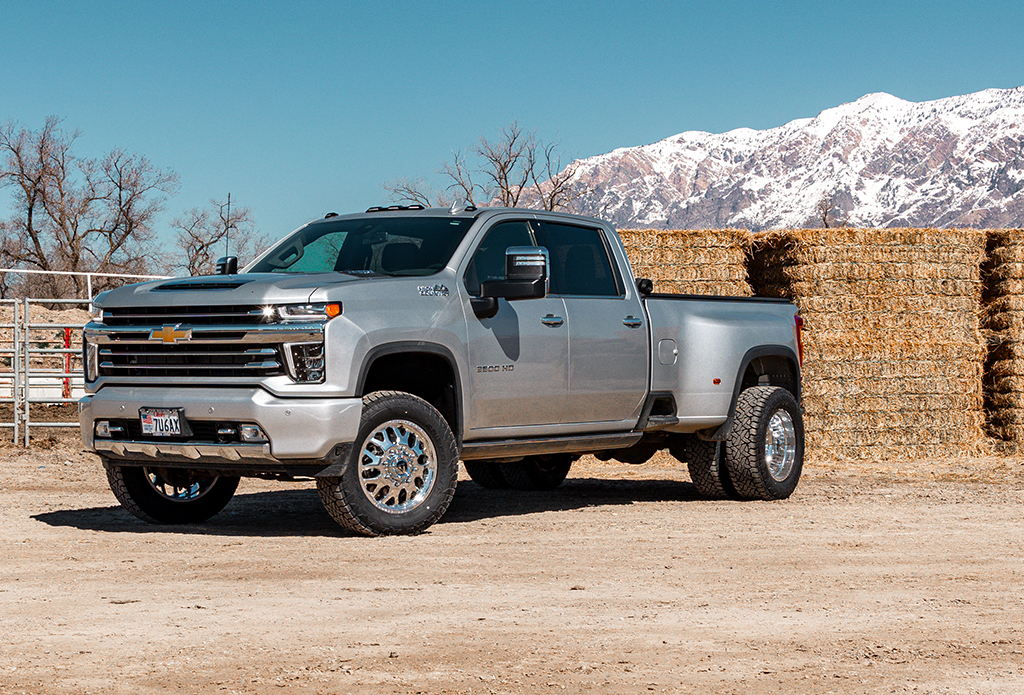
The installation is not finished when the truck comes off the lift. Follow the kit-specific instructions and verify the suspension through steering and travel before normal use.
- Complete a professional wheel alignment.
- Verify tire and wheel clearance at full steering lock.
- Check brake lines, ABS wiring and suspension clearance through travel.
- Torque fasteners and wheels to the required specifications.
- Recheck hardware after the initial break-in period specified in the instructions.
- Adjust headlamp aim when ride height changes require it.
- Take time to become familiar with the vehicle’s new handling characteristics.
Use the Tools Before You Turn the Wrenches
Fitment, installation and warranty information is easier to verify before the build begins than after parts are already on the truck.
Tire/Wheel Guide
Review wheel, offset and tire-size guidance before finalizing your setup.
Check FitmentFind a Dealer
Locate a ReadyLIFT dealer or installer to help spec and install your suspension system.
Find a DealerInstructions
Review the correct installation guide for your part number before beginning the job.
View InstructionsReadyGuard
See whether your vehicle and suspension system qualify for supplemental powertrain coverage.
Learn About ReadyGuardStart With the Suspension That Fits Your Vehicle
Choose your exact vehicle, compare the lift styles available for it, and verify wheel-and-tire fitment before you buy. The right combination delivers the stance you want without turning the build into guesswork.